
The Chase Freedom Flex® Card is the new 5% cash back rotating category card for Chase, with the notable addition of 3% cash back on dining out and drugstore purchases. All of the popular features from the old Freedom remain as well: Up to 5% cash back on select categories throughout the year, no annual fee, and the ability to earn Ultimate Rewards points (useful in combination with Chase Sapphire cards). Highlights:
- $200 cash bonus (20,000 Ultimate Rewards points) after $500 in purchases in your first 3 months.
- 0% Intro APR for 15 months from account opening on purchases and balance transfers. 3% intro balance transfer fee when you transfer a balance during the first 60 days your account is open, with a minimum of $5. After that, the fee for future balance transfers is 5% of the amount transferred, with a minimum of $5.
Here are the ongoing features of the Freedom Flex:
- 5X points (5% cash back) on up to $1,500 in combined purchases in rotating categories each quarter you activate.
- 5X points (5% cash back) on travel purchased through Chase Ultimate Rewards(R).
- 3X points on dining out, take-out, and eligible delivery services.
- 3X points on drugstore purchases.
- 1X points on all other purchases.
- Cell phone insurance is one of the noteworthy World Elite Mastercard benefits. “Up to $800 per claim and $1,000 per year in cell phone protection against theft or damage for phones listed on cardmembers’ monthly bill.”
- No annual fee.
Enroll after logging into your online account (look on the right-hand side). 5% rewards won’t apply until after you activate your rewards, so it is best to activate now before you forget. No annual fee.
Remember that these cards earn Ultimate Rewards (UR) points, which can then be redeemed for cash at 1 UR point = $0.01. Therefore, you can either view a category as 3X points per dollar points, or 3% cash back. When UR points are transferred to a Chase Sapphire Preferred or Chase Sapphire Reserve card, they can become much more valuable when converted to frequent flier miles or hotel points. For example, if you have the Chase Sapphire Reserve, 5x points = 5 United miles per dollar spent, 5 Hyatt points per dollar spent, or 7.5% value back towards travel redeemed at the Chase Ultimate Rewards travel portal.
This is a new card (different than the regular Chase Freedom Visa), so everyone should be eligible for the bonus, but Chase does have an unofficial rule that they will automatically deny approval on new credit cards if you have 5 or more new credit cards from any issuer on your credit report within the past 2 years (aka the 5/24 rule). This rule is designed to discourage folks that apply for high numbers of sign-up bonuses. This rule applies on a per-person basis, so in our household one applies to Chase while the other applies at other card issuers.
If you have an existing Chase card like the original Freedom card, you may be able to convert to this card by calling them directly. You won’t get the sign-up offer, but you will get the new ongoing features.
Bottom line. The Chase Freedom Flex® Card is a unique rewards card that lets you earn 5% cash back on select categories each quarter, in addition to a constant 3% cash back on dining out and drugstore purchases. If you have a Chase Sapphire card, this card is a great way to earn Ultimate Rewards points while using the additional redemption options of the Sapphire (hotel points, airline miles, and travel redemptions).


 Here’s my monthly roundup of the best interest rates on cash as of January 2022, roughly sorted from shortest to longest maturities. Significant changes since last month: 7.12% Savings I Bonds annual purchase limit reset for 2022, new 2% APY LFCU checking, few other minor rate changes. I plan on buying I Bonds in late January. You could choose to wait until mid-April to see the next rate, but you’d likely be earning less interest in the meantime.
 2021 end-of-year update. I have an informal goal each year of earning the equivalent of the maximum annual IRA contribution limit of $6,000 using the profits from various promotions alone. If you had put $6,000 into your IRA every year for the last 10 years (2011-2020) and invested in a simple Target Date retirement fund, you would have turned



 In order to use Fidelity’s
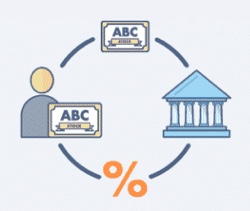 A few readers asked about “fully paid lending programs” offered by some brokerage firms. The premise is very intriguing: You lend out the stock shares you own and earn interest, all while keeping full “economic” ownership. You still get any upside or downside, you can still sell at any time, and your loans are backed by 100%+ collateral at a custodial bank. The broker finds borrowers, collects interest, and splits it with you (usually 50/50). Is this zero-effort free money? These programs can go by various names: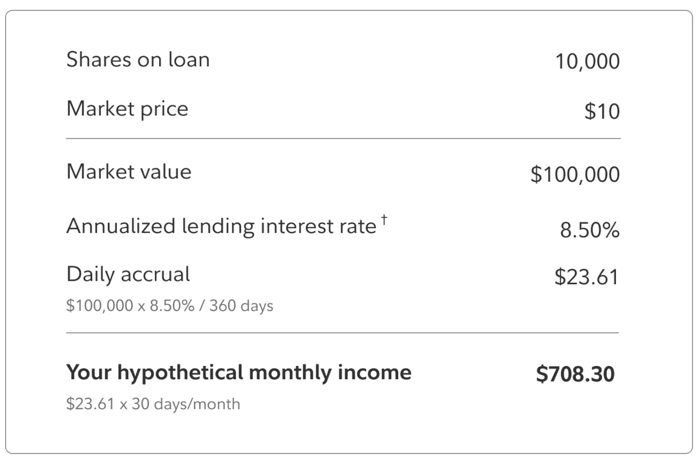
 One of my newer interests is better understanding individual businesses and how they work. Accounting is the “language of business” used to write annual reports, 10-Ks, 10-Qs, income statements, and so on. I was afraid a textbook would be too boring, so I am auditing the online Coursera course
  Tuesday, November 30th is Giving Tuesday 2021, an international day about giving support through charities and nonprofits by donating money or volunteering your time. In case you aren’t inundated with mailings already, this time of year is a big deal for charities, with 40% of donations occurring in the last six weeks of the year. Here are some ways you can “double your impact” with a matching donation.
 The Best Credit Card Bonus Offers – 2026
 Big List of Free Stocks from Brokerage Apps
 Best Interest Rates on Cash - 2026
 Free Credit Scores x 3 + Free Credit Monitoring
 Best No Fee 0% APR Balance Transfer Offers
 Little-Known Cellular Data Plans That Can Save Big Money
 How To Haggle Your Cable or Direct TV Bill
 Big List of Free Consumer Data Reports (Credit, Rent, Work)