Morningstar has been running an interesting series of articles on “Do Nothing” portfolios where they take the idea of “Buy and Hold” to the extreme. When you buy and hold a traditional index fund, the holdings still change over time. New companies are added, companies are merged or acquired, and some are taken out every year.
What if you instead bought the individual stocks in the S&P 500 from 10 years ago, and then did absolutely nothing? You wouldn’t buy any new companies. If a company was bought out, you just kept the cash. (Dividends were reinvested.) From the article What Beat the S&P 500 Over the Past Three Decades? Doing Nothing, you would have found out that the “No Nothing” portfolio has actually outperformed the S&P 500 during this 2013-2023 period by a tiny bit:

John Rekenthaler extended this backtest to the past 30 years. The “Do Nothing” portfolio still won slightly from 1993-2023. From the article More Lessons From the Do Nothing Portfolio:

He added a real-world example of “buy and hold forever” in the Voya Corporate Leaders Trust (LEXCX), which is a very quirky mutual fund that essentially bought equal amounts of stock from 30 of the largest US companies back in 1935 and then sat on its hands. Voya Corporate Leaders Trust also did quite well over the same 1993-2023 period:

So we should all just do nothing right? Well, not so fast. The next article The Ultimate Buy and Hold Portfolio examined buying the 10 largest US companies as of December 1986 and then doing nothing. That result wasn’t as great, and it didn’t help if you held them by market-weight, equal-weight, or rebalanced. The Total US Stock Market index (Wilshire 5000) won by a large margin, although the gap only really widened after 2010.

It appears that doing nothing can do surprising well, but you still run the risk of missing out on owning some breakthrough companies over the long run.
My takeaway is that we should be very thankful that we can buy a simple, low-cost Total US stock market or S&P 500 index fund and just “do nothing” while it does all the work. The market cap-weighting system automatically adjusts to include new companies in whatever new industry may emerge. You don’t have to worry about missing out on the next Apple or Google. I sleep well knowing that I will always own the entire haystack and all the needles inside.


 One of the concerns about contributing to 529 plan for college savings is that you won’t end up using all the money and end up being hit with additional taxes (at ordinary income rates) and penalties on an non-qualified withdrawal. The funds potentially would have been better off simply invested in a taxable brokerage account (and long-term capital gains rates).
  Here’s my monthly roundup of the best interest rates on cash as of May 2023, roughly sorted from shortest to longest maturities. We all need some safe assets for cash reserves or portfolio stability, and there are often lesser-known opportunities available to individual investors. Check out my
 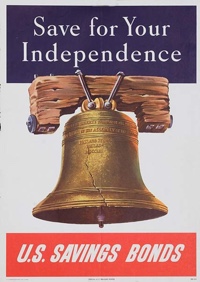 Savings I Bonds are a unique, low-risk investment backed by the US Treasury that pay out a variable interest rate linked to inflation. With a holding period from 12 months to 30 years, you could own them as an alternative to bank certificates of deposit (they are liquid after 12 months) or bonds in your portfolio.

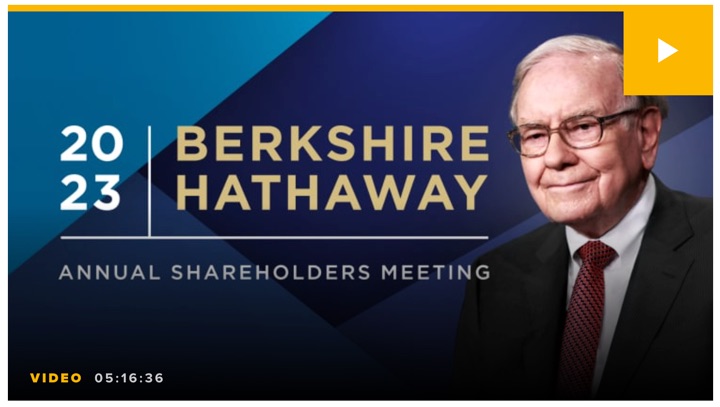
 Becky Quick had another CNBC interview with the Warren Buffett and Greg Abel of Berkshire Hathaway, likely as a preview to the annual shareholder meeting that is coming up soon in May. You can watch a replay of the interview via this
  The Best Credit Card Bonus Offers – 2026
 Big List of Free Stocks from Brokerage Apps
 Best Interest Rates on Cash - 2026
 Free Credit Scores x 3 + Free Credit Monitoring
 Best No Fee 0% APR Balance Transfer Offers
 Little-Known Cellular Data Plans That Can Save Big Money
 How To Haggle Your Cable or Direct TV Bill
 Big List of Free Consumer Data Reports (Credit, Rent, Work)