2024 Year-End Review: Annual Broad Asset Class & Target Fund Returns

Happy New Year! 🎉 🥳 Let’s see how the year went for the broad asset classes that I track. Per Morningstar, here are the total annual returns (includes price appreciation and dividends/interest) for select asset classes as benchmarked by popular ETFs after market close 12/31/24.
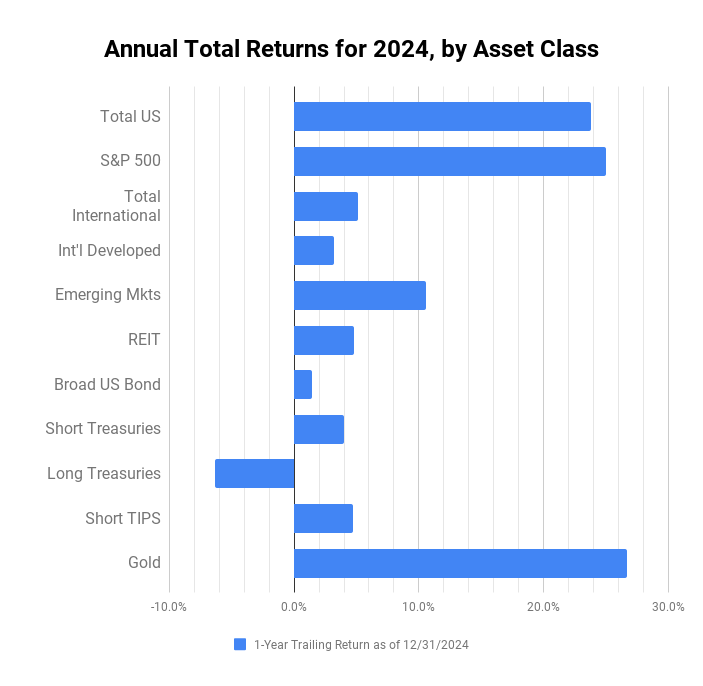
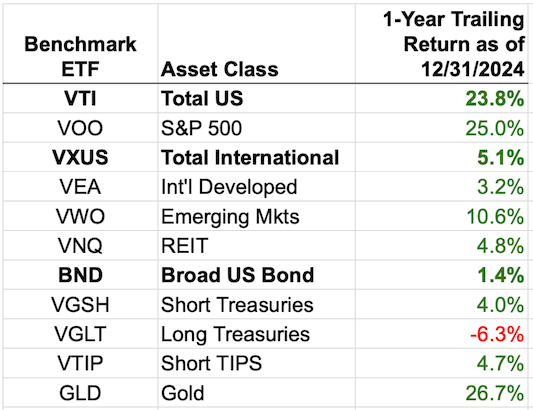
I didn’t include Bitcoin or any other crypto because I honestly don’t track it, don’t own it as part of my long-term portfolio, and would not advise my family to own it. However, I acknowledge that it went up something like 120% this year.

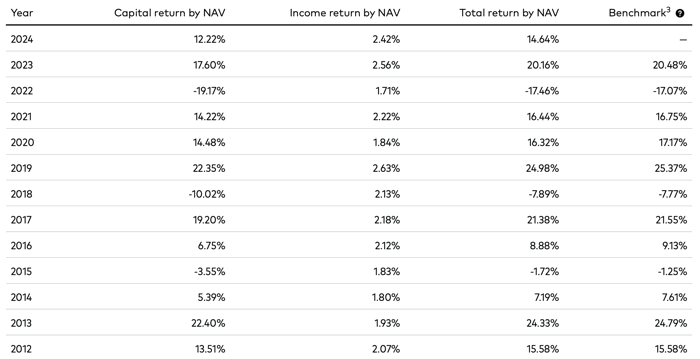
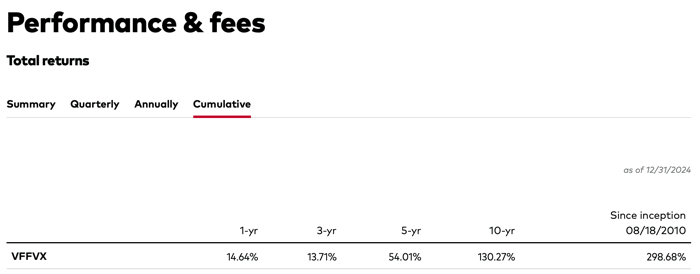
The “set and forget” Vanguard Target Retirement 2055 fund (VFFVX) , currently consisting of roughly 90% diversified stocks and 10% bonds, was up 14.6% in 2023.
Commentary. 2024 again shows that you want to stay in the game. If you waited on the sidelines because stocks have historically high valuations and you were waiting for a dip… well, that didn’t work out. The S&P 500 had two great years in a row, the best two consecutive years in over 25 years according to the WSJ (gift article):
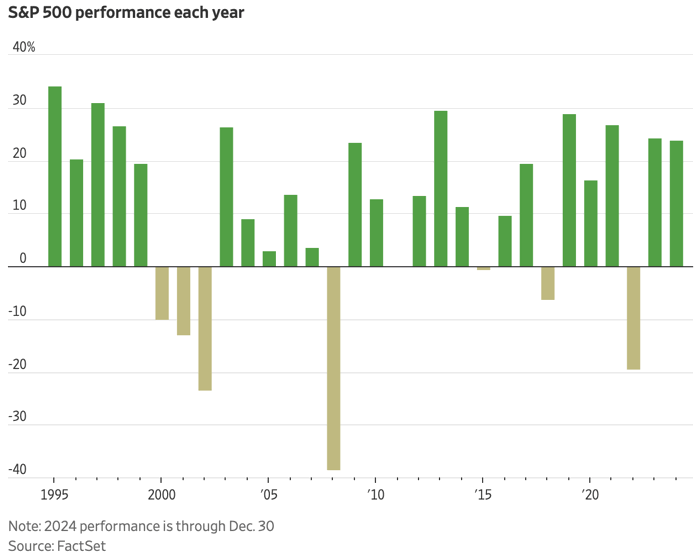
Historically, the S&P 500 annual return is negative in roughly every 1 in 4 years. But holding through that volatility is part of the price you pay for the long-term returns. For most of us, the best we can do is to “stay the course” and enjoy the up years while knowing that the down years will inevitably be sprinkled in there. I try my best not to skip and ignore all the predictions, or even listen to daily market close announcements. If you stand by the roulette table and stare long enough at the red and black numbers that come up, your mind will start to find patterns where they don’t exist.

Instead, here are your cumulative returns through the end of 2024 if you had been a steady investor in the Vanguard Target Retirement 2055 fund over the past several years, despite the many, many problems of the world:
(These work great inside 401ks and IRAs. I’d avoid buying Target Retirement funds in a taxable account.)

Holding cash would have been a lot less scary, but the returns would have been a lot less impressive. I will post more about my personal portfolio changes and performance shortly.
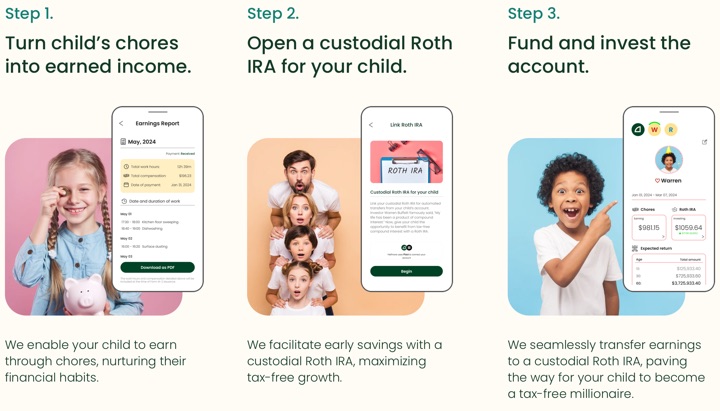
Halfmore App: Turn Your Kids’ Chores into a Roth IRA

Roth IRAs are popular and powerful, and while they have an earned income requirement, they don’t have a minimum age requirement. As long as a child has “official” earned income, they can contribute that into a Roth IRA (technically a Custodial Roth IRA as a minor, with full rights when they turn 18).

There have been various tips floating around on how parents can help “support” the creation of earned income for their child. There was even a now-defunct website called 1417power.com that would “hire” your kids to take surveys online (of course, the parent had to “hire” 1417power.com first…).

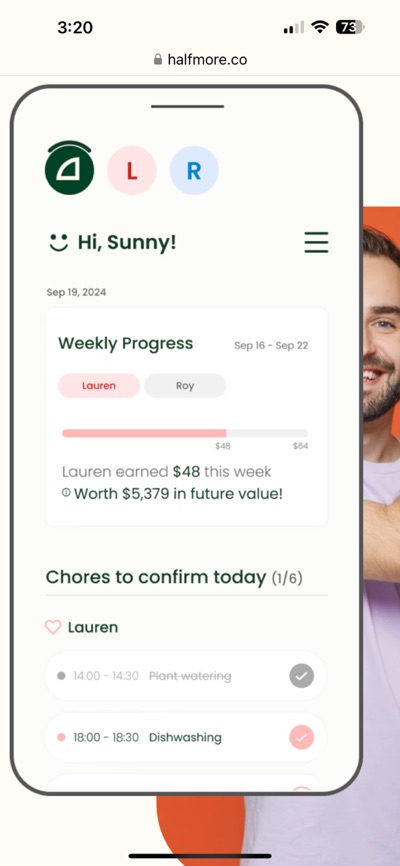
A new app called Halfmore can now facilitate the creation of a nice paper trail between parents as employers and children as workers. They promise to turn chores into a Roth IRA balance. Based on their screenshots, examples of such chores include floor sweeping, washing the dishes, surface dusting, and plant watering. The screenshots also suggest a pay rate of $15 to $16 an hour.

For chores to be recognized as legitimate sources of income, your kids should be paid for tasks you would typically hire another neighborhood kid or a nanny to do (rather than for regular family chores). They should also be appropriate for your child’s age and abilities. Examples include cleaning the garage, mowing the lawn (without a machine), and babysitting. The work must be real, and the wages should be fair.

From what I can gather through the limited information on their website (I had to register to get more details), this is what they offer:

  • They will help you file for an EIN from the government, so you are registered as an official household employer. This is basically the type of thing you should do if you hired a full-time nanny.
  • Through the app, you can track the completion of chores and manage payroll for your children. For example, the washing of dishes can be marked down as 30 minutes of work.
  • They will prepare work documentation for IRS income tax filing and record-keeping requirements.
  • They will help you navigate Federal and State employment taxes.
  • They will help open a custodial Roth IRA for you at Fidelity or Schwab, and transfer money into that account.

The cost is $15 per month or ($144 per year). Their FAQ says this covers up to three children (another place on the website says up to five children). You could file for an EIN, track chores, and open up a custodial Roth yourself for “free”. You are essentially following the same steps as if you were hiring a full-time nanny as a household worker. But if you make enough money such that you are considering this scheme for your kids, then your hourly rate is probably high enough that the convenience factor makes this a reasonable fee.

If you need more chore ideas, here is the Montessori Chart of Age-Appropriate Chores For Kids that keeps floating around like a meme:

spoiledchores

Looking through my archives, I realized that I have already written about “Roth IRA for Kids” in 2007, 2012, and 2019. My eldest child is in middle school now, and I’m still working on how to best teach them about money. I can see a matching program later on in life when they have a real job from an outside employer. But right now, I don’t pay them anything to do their chores. Chores are not a job, they are a responsibility to their family. They can’t decline their chores by declining the money. Maybe I’ll pay for extra jobs around the house, but I think it’s gonna be a stretch for that to add up to thousands of dollars a year.

If you already plan on gifting your child money anyway, this might be a more efficient method. For me, I already tell them that we spend a lot of money on their education right now, and that is our “gift”. I am already paying plenty for tutoring, swim lessons, tennis lessons, STEM camps, etc. Not to mention who knows how much college will cost! I suppose I just feel like this is too far down the list. Maybe my attitude will change later. Maybe I’ll just let them have the sense of accomplishment from funding their own retirement accounts. 😁

2025 401(k) Contribution Limits Announced; New Super Catch-Up for Ages 60-63

The IRS officially announced the new 401(k) contribution limits for 2025 (full news release), which also included a new “super catch-up” allowance for people who are ages 60-63 at year-end 2025. Strangely, it goes back down once you are age 64. I hadn’t heard of this before now. As usual, by “401(k)” I mean that it applies to 401(k), 403(b), governmental 457 plans, and the federal government’s Thrift Savings Plan.

The 2025 base 401(k) contribution limit is increased to $23,500, up from $23,000. This WSJ article (paywall) has a handy chart for reference.

The 2025 base IRA contribution limit remains at $7,000 (subject to income limits). Taken together, “maxing out” your IRA and 401(k) now takes more than $30,000 a year even ignoring any catch-ups. That’s a lot, but whatever you can cram in there may get roughly a 30% boost towards your final retirement balance.

Savings I Bonds November 2024: 1.20% Fixed Rate, 1.91% Inflation Rate (3.11% Total for First 6 Months)

Update: Savings I Bonds bought from November 1, 2024 through April 30, 2025 will have a fixed rate of 1.20%, for a total rate of 3.11% for the first 6 months. As a quick and dirty comparison, the nominal yield on 5-year Treasury bonds is currently 4.15% and the real yield on 5-year TIPS is currently 1.77%.

Every existing I Bond will earn this inflation rate of ~1.91% eventually for 6 months; you will need to add your own fixed rate that was set based the initial purchase month. See you again in mid-April for the next early prediction for May 2025.

Original post:

Savings I Bonds are a unique, low-risk investment backed by the US Treasury that pay out a variable interest rate linked to inflation. With a holding period from 12 months to 30 years, you could own them as an alternative to bank certificates of deposit (they are liquid after 12 months) or bonds in your portfolio.

New inflation numbers were just announced at BLS.gov, which allows us to make an early prediction of the November 2024 savings bond rates a couple of weeks before the official announcement on the 1st. This also allows the opportunity to know exactly what an October 2024 savings bond purchase will yield over the next 12 months, instead of just 6 months. You can then compare this against a November 2024 purchase.

New inflation rate prediction. March 2024 CPI-U was 312.332. September 2024 CPI-U was 315.301, for a semi-annual inflation rate of 0.95%. Using the official composite rate formula:

Composite rate formula: [Fixed rate + (2 x semiannual inflation rate) + (fixed rate x semiannual inflation rate)]

This results in the variable component of interest rate for the next 6 month cycle being ~1.90% to 1.91%, depending on the fixed rate.

Tips on purchase and redemption. You can’t redeem until after 12 months of ownership, and any redemptions within 5 years incur an interest penalty of the last 3 months of interest. A simple “trick” with I-Bonds is that if you buy at the end of the month, you’ll still get all the interest for the entire month – same as if you bought it in the beginning of the month. It’s best to give yourself a few business days of buffer time. If you miss the cutoff, your effective purchase date will be bumped into the next month. (You should always sell at the very beginning of the month.)

Buying in October 2024. If you buy before the end of October, the fixed rate portion of I-Bonds will be 1.30%. You will be guaranteed a total interest rate of 1.30 + 2.98 = 4.28% for the next 6 months. For the 6 months after that, the total rate will be 1.30 + 1.91 = 3.21%.

Buying in November 2024. If you buy in November 2024, you will get ~1.91% plus a newly-set fixed rate for the first 6 months. The new fixed rate is officially unknown, but is loosely linked to the real yield of short-term TIPS with some reductions. My rough guess is somewhere between 0.9% and 1.2%. The current real yield on short-term TIPS is lower than it was during the last reset, when the fixed rate was set at 1.3%. Every six months after your purchase, your rate will adjust to your fixed rate (set at purchase) plus a variable rate based on inflation.

If you have an existing I-Bond, the rates reset every 6 months depending on your specific purchase month. Everyone will eventually get this variable rate. Your bond rate = your specific fixed rate (based on purchase month, look it up here) + variable rate (total bond rate has a minimum floor of 0%).

Buy now or wait? Between those two options, I would buy in October as you’ll likely get a higher fixed rate and a decent initial 6-month rate. However, I actually don’t plan to buy any savings bonds this year. The yields are simply not very interesting as compared to other options. Short-term, it’s better to go T-Bills with the state tax exemption. For my inflation-protected needs, I have been buying longer-term TIPS instead to lock in the higher current 2%+ real yields (in tax-deferred).

Unique features and considerations. I have a separate post on reasons to own Series I Savings Bonds, including inflation protection, tax deferral, exemption from state income taxes, and potential tax benefits if used toward qualified educational expenses.

The main drawback is hassle. You can only buy new savings bonds through TreasuryDirect.gov, which is limited in its customer service resources and features. Conducting certain transactions may require a medallion signature guarantee which requires a visit to a physical bank or credit union and snail mail. If your password is compromised, they will not replace any lost or stolen savings bonds. The juice may not be worth the squeeze when you can own individual Treasury bonds or TIPS within any full-service brokerage account. (Finding a bank that will redeem a physical paper savings bond at all can be difficult these days.)

Over the years, I have accumulated I-Bonds and consider it part of the inflation-linked bond allocation inside my long-term investment portfolio. However, after converting all my paper bonds to electronic versions earlier this year, I have been selling the lower fixed rate bonds and reinvesting in 2%+ real yield TIPS.

Annual purchase limits. The annual purchase limit is now $10,000 in online I-bonds per Social Security Number. For a couple, that’s $20,000 per year. As of 2024. you can only buy online at TreasuryDirect.gov, after making sure you’re okay with their security protocols and user-friendliness. (No more tax refund savings bonds.) Technically, the purchase limits are per Social Security Number or Employer Identification Number. For those looking for another way to expand their purchasing power, that means you can also buy for a child, grandchild, LLC, or a trust.

Bottom line. Savings I bonds are a unique, low-risk investment that are linked to inflation and only available to individual investors. You can now only purchase them online at TreasuryDirect.gov. For more background, see the rest of my posts on savings bonds.

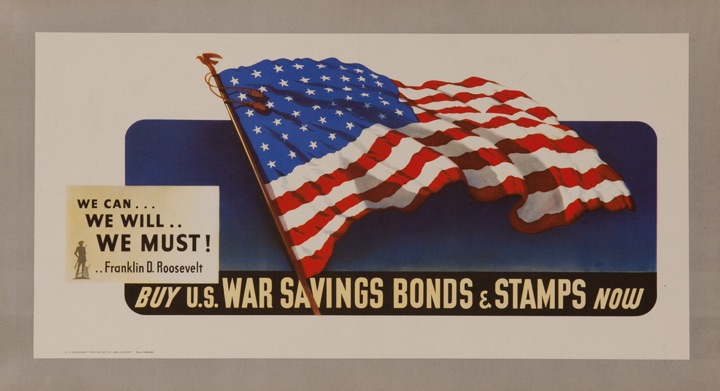
[Image: 1942 US Savings Bond poster – source]

Acorns Early 1% Match on Kid Custodial Accounts / Acorns Later 3% Match on IRA Contributions

Acorns, known for their “Round-Ups” on purchases that encourage recurring small savings of spare change and beyond, also has a match program for IRA contributions. They also just added a new match program for UTMA/UGMA custodial accounts for kids.

Acorns Early is their UTMA/UGMA custodial account for minors, and they will give a 1% match on contributions for Acorns Gold subscribers. These UTMA/UGMA custodial accounts have a few different wrinkles. They are a flexible brokerage account, not like 529 plans where you have to pick from a menu. They can be spent more flexibly as well, not just for qualified educational expenses. A certain amount of income is tax-free each year. However, money in a custodial account is the property of the minor and they assume full control of the account when they become of age.

For 2024, the gift tax exclusion if $18,000 per person ($36,000 from a couple), so the 1% match could be worth up to $180/$360 per kid per year (you can give more, but this is without potentially triggering a gift tax). Friends and family are allowed to contribute as well.

Acorns Later is their IRA account, and they give a 3% match on contributions for Acorns Gold subscribers. Per the 2024 contribution limits, $7,000 x 3% = $210 and $8,000 x 3% = $240 (Age 50+). There is a 4-year hold period.

Acorns Gold costs $12 a month (first month free) and is their highest premium tier with other various perks. So you’d have to balance it all out for your situation.

IRA and 401k Accounts Can Earn You 30% More After 40 Years

We’re all told that we should use IRA and 401k accounts to save for retirement due to their great tax benefits. But how valuable exactly are those benefits? 🤔 A huge difference? A little difference? This Morningstar article crunches some numbers for “traditional” pre-tax IRA/401ks within a broadly-representative tax situation and three example portfolios. (Although the benefits should be basically the same for Roth accounts, as they end up assuming the same tax rate during the working and retirement years.)

A one-time $5,000 contribution (pre-tax) is invested for 40 years within both the tax-deferred IRA/401k and a taxable brokerage account. The three example portfolios are “100% zero-dividend stocks”, “100% stock index”, and “60% stocks/40% bonds balanced” – essentially most to least tax-efficient. All are assumed to return 8% annually. Here are the results:

Here is the conclusion, quoted directly from the article:

To address this article’s original question, for investments made over a full working career, from age 25 to 65, IRA/401(k) accounts improve the final aftertax value of the study’s assets by 17% for a no-dividend portfolio, 30% for a stock market index fund, and 44% for a low-turnover balanced fund. Those figures, of course, will vary according to personal circumstances, but I conducted enough offscreen spreadsheet tests, using different tax brackets, to conclude that they are broadly representative.

As you might expect, the advantage is greater when the portfolio is less tax-efficient. The more something spins off dividends, capital gains, or interest, the more it should try to go in the tax-deferred bucket.

If you assume the use of the most popular target date retirement funds, they are 90% to 100% stock market index for the majority of the working years (25-65). So there you have it. A 30% boost is a reasonable estimate for most people to carry around in their heads. Roughly 1/3rd more. That’s a lot!

In short, IRA/401(k) plans are a very good deal. And should the latter offer a company match, they become a truly great deal.

Should You Adjust Your Target Asset Allocation For Future Taxes?

When you add up your assets and liabilities to come up with your net worth, do you adjust the numbers for taxes? The amounts in your Traditional 401ks and IRAs may be shrunk significantly upon eventual withdrawal due to income taxes. You never paid taxes on them upfront, so it makes sense that they are a bit “inflated” during your accumulation phase.

The academic paper Kentucky Windage for Asset Allocation by Jennings and Payne suggests that you should adjust your target asset allocation now in order to hit you goal more accurately in the end. This chart from the paper illustrates the potential effect of taxes on asset allocation:

“Kentucky windage” refers to the practice in shooting to aim upwind of the target in order to compensate for the effect of windage. For example, if the wind is blowing to the right, you’d aim a little left of the target.

For example, if your target is 60% stocks and 40% bonds but you have a lot of bonds being held in your traditional 401k, you should realize that will end up as 70/30 stocks/bonds after-taxes. Therefore, you should “aim” for 50/50 stocks/bonds, in order to truly end up at 60/40. Here’s another illustration from the paper:

Adjusting for taxes sounds like the proper thing to do, but I also found that their example of a 10% shift to be pretty extreme. The actual result is highly dependent on your specific asset class locations and tax brackets. Notice that the chart above assumed no tax hit on a “Stocks outside IRA” taxable account, but in reality there may be a lot of unrealized capital gains. For my own situation, I would estimate less than 5% in after-tax “drift”. Sure, I might still try to correct for that, but under 5% starts getting into noise territory. My target asset allocation may change independently over time for other reasons, or it might just change that much due to a stock market drop (or rise). But if your portfolio is heavily in pre-tax accounts, it’s something to consider.

Photo by Balint Mendlik on Unsplash

MMB Portfolio Dividend & Interest Income Update – October 2024 (Q3)

Here’s my quarterly income update as a companion post to my October 2024 asset allocation & performance update. I prefer to track the income produced as an alternative metric to performance. The total income goes up much more gradually and consistently than the number shown on brokerage statements (market price), which helps encourage consistent investing. Here’s a related quote from Jack Bogle (source):

The true investor will do better if he forgets about the stock market and pays attention to his dividend returns and to the operating results of his companies. – Jack Bogle

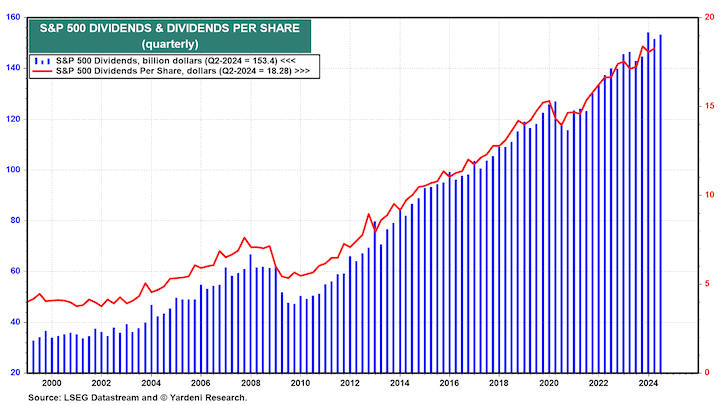
Here is the historical growth of the S&P 500 total dividend, which tracks roughly the largest 500 stocks in the US, updated after 2024 Q2 (via Yardeni Research):

That is a much smoother ride than the price index. I imagine my portfolio as a factory that churns out dollar bills, or a tree that gives dividend fruit.

Why I like tracking dividends in general. Stock dividends are a portion of profits that businesses have decided to distribute directly to shareholders, as opposed to reinvesting into their business, paying back debt, or buying back shares. They have explicitly decided that they don’t need this money to improve their business, and that it would be better to distribute to shareholders. The dividends may suffer some short-term drops, but over the long run they have grown faster than inflation.

In the US, the dividend culture is somewhat conservative in that shareholders expect dividends to be stable and only go up. Thus the starting yield is lower, but grows more steadily with smaller cuts during hard times. There is also a growing trend towards buybacks, partially because they are easier to discontinue. Here is the historical growth of the trailing 12-month (ttm) dividend paid by the Vanguard Total US Stock ETF (VTI) via StockAnalysis.com.

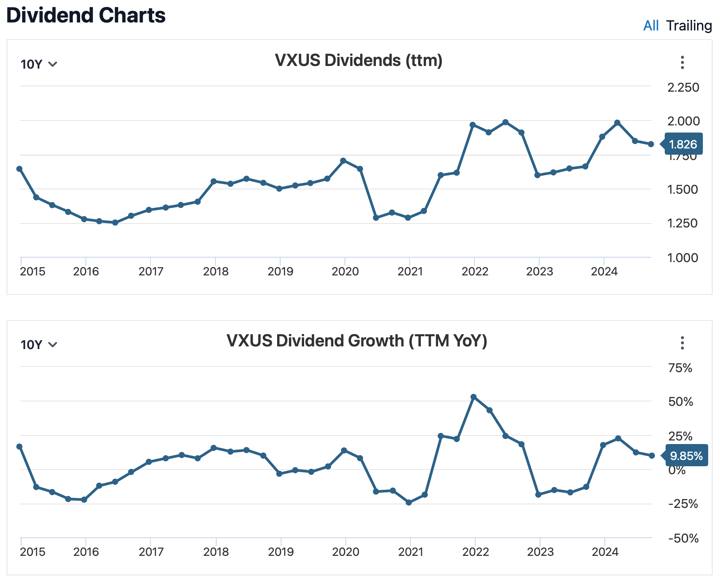
European corporate culture tends to encourage paying out a higher (sometimes fixed) percentage of earnings as dividends, but that also means the dividends move up and down with earnings. The starting yield is currently higher but may not grow as reliably. Here is the historical growth of the trailing 12-month (ttm) dividend paid by the Vanguard Total International Stock ETF (VXUS).

The dividend yield (dividends divided by price) also serve as a rough valuation metric. When stock prices drop, this percentage metric usually goes up – which makes me feel better in a bear market. When stock prices go up, this percentage metric usually goes down, which keeps me from getting too euphoric during a bull market.

In the case of REITs, they are legally required to distribute at least 90 percent of their taxable income to shareholders as dividends. Historically, about half of the total return from REITs is from this dividend income.

Finally, the last component comes from interest from bonds and cash. This will obviously vary with the prevailing interest rates, the real rates on TIPS, and the current rate of inflation. In 2024, we are finally back to getting paid a small percentage more than inflation on our cash.

Dividend and interest income from my specific asset allocation. To estimate the income from my portfolio, I use the weighted “TTM” or “12-Month Yield” from Morningstar (checked 10/7/24), which is the sum of the trailing 12 months of interest and dividend payments divided by the last month’s ending share price (NAV) plus any capital gains distributed (usually zero for index funds) over the same period. My TTM portfolio yield is now roughly 2.38%.

2.38% is the lowest TTM yield that my portfolio has been since 2021. So even though the value of my portfolio is much higher than a year or two ago, the actual amount of income distributed hasn’t kept up. As you can see from my total annual income tracker, my actual income from this portfolio has been mostly steady since mid-2022 (when interest rates started to rise again). Again, this keeps me from getting too euphoric from the market’s gains. A lot of it is just P/E ratio expansion, which can just as easily be followed by P/E ratio contraction.

What about the 4% rule? For big-picture purposes, I support the simple 4% or 3% rule of thumb, which equates to a target of accumulating roughly 25 to 33 times your annual expenses. I would lean towards a 3% withdrawal rate if you want to retire young (closer to age 50) and a 4% withdrawal rate if retiring at a more traditional age (closer to 65). Too much time is spent debating this number. It’s just a quick and dirty target to get you started, not a number sent down from the heavens!

During the accumulation stage, your time is better spent focusing on earning potential via better career moves, improving your skillset, networking, and/or looking for asymmetrical entrepreneurial opportunities where you have an ownership interest.

As a semi-retired investor that has been partially supported by portfolio income for a while, I find that tracking income makes more tangible sense in my mind. Our dividends and interest income are not automatically reinvested. They are simply another “paycheck”. As with our other variable paychecks, we can choose to either spend it or invest it again to compound things more quickly. You could use this money to cut back working hours, pursue a different career path, start a new business, take a sabbatical, perform charity or volunteer work, and so on. You don’t have to wait until you hit a huge magic number. FIRE is Life!

Vanguard Adds Automatic, Recurring Dollar-Based ETF Investments

Vanguard has rolled out the ability to make automatic, recurring purchases of Vanguard ETFs using fractional shares (dollar-based purchases, $1 minimum) inside their in-house brokerage account. Trade commissions are still zero. I know that some readers were waiting for this feature. I believe it should be available in all accounts – as of last week it showed as a “pre-release” feature in my account but now that message is gone.

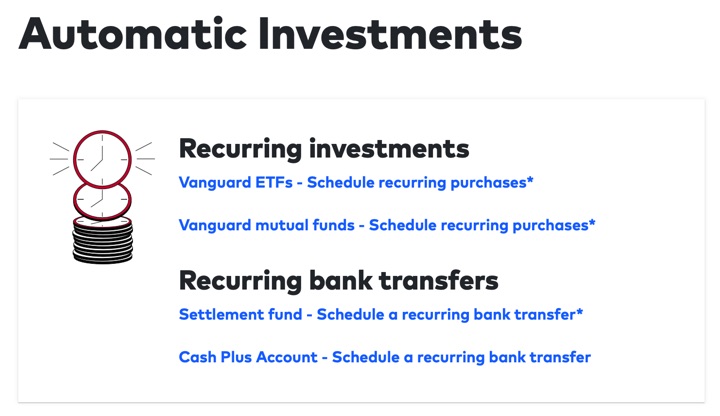
To find it, look for the “Automatic Investments” button on the main page after login. If you are already logged into Vanguard, you could try clicking this link.

You then see the option to schedule recurring purchases of ETFs in addition to mutual funds.

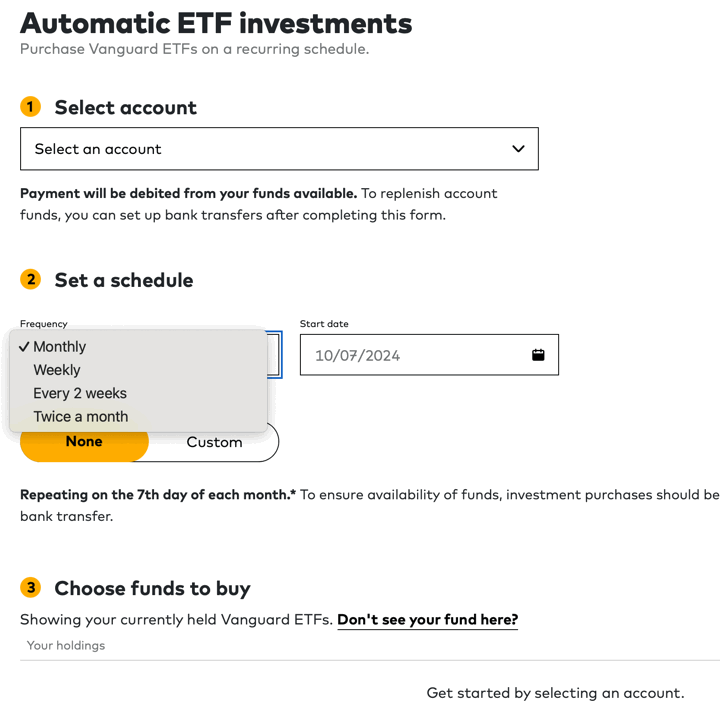
If you click on that, you can choose from weekly, weekly, bi-weekly, and twice a month frequencies. You can set it to repeat indefinitely, or set a fixed end date.

Note the following timing details:

If your automatic investment is scheduled outside of business or market hours (for example on a weekend or holiday), brokerage purchases will be processed on a prior business day. Monthly investments scheduled for the 29th, 30th, or 31st day will occur on the last day of the month during shorter months.

Here are some potential benefits of this new feature:

  • With fractional ETFs, you can invest with as little as $1. You don’t need to meet the $3,000 minimum initial purchase of some Vanguard mutual funds.
  • Vanguard ETFs often have a lower expense ratio than their mutual fund counterparts.
  • ETFs are a more portable form if you want to later switch brokerages.
  • In general, ETFs are more tax-efficient than mutual funds, but Vanguard ETFs and mutual funds have the exact same tax-efficiency due to their structure as different share classes.

For example, now you can automatically buy $100 of VTI every week, even though one share of VTI is over $200. To match up with this, you might set up a separate, weekly automatic transfer of $100 from your bank account into your brokerage account. I don’t know that you can set it to directly pull from your bank account.

MMB Portfolio Asset Allocation & Performance Update – October 2024 (Q3)

Here’s my 2024 Q3 update for our primary investment holdings, including all of our combined 401k/403b/IRAs and taxable brokerage accounts but excluding our house and smaller side portfolio of self-directed investments. Following the concept of skin in the game, the following is not a recommendation, but a sharing of our real-world, imperfect, low-cost, diversified DIY portfolio.

“Never ask anyone for their opinion, forecast, or recommendation. Just ask them what they have in their portfolio.” – Nassim Taleb

How I Track My Portfolio
Here’s how I track my portfolio across multiple brokers and account types. There are limited free advanced options after Morningstar discontinued free access to their portfolio tracker. I use both Empower Personal Dashboard (previously known as Personal Capital) and a custom Google Spreadsheet to track my investment holdings:

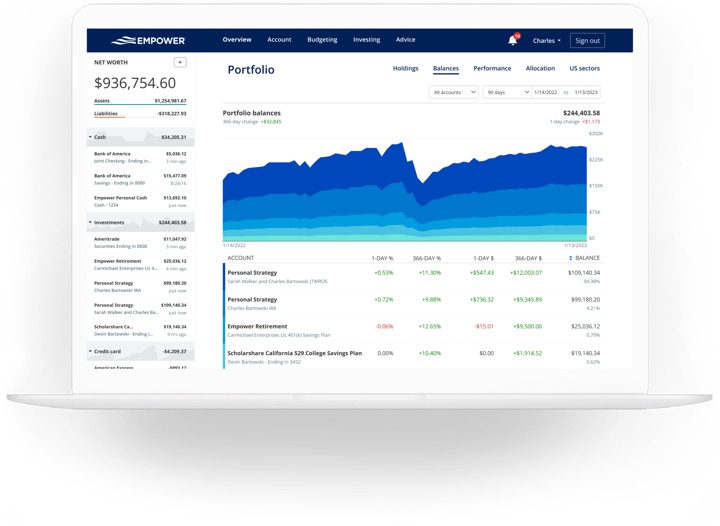
  • The Empower Personal Dashboard real-time portfolio tracking tools (free) automatically logs into my different accounts, adds up my various balances, tracks my performance, and calculates my overall asset allocation daily. Formerly known as Personal Capital.
  • Once a quarter, I also update my manual Google Spreadsheet (free to copy, instructions) because it helps me calculate how much I need in each asset class to rebalance back towards my target asset allocation. I also create a new tab each quarter, so I have a personal archive of my holdings dating back many years.

2024 Q3 Asset Allocation and YTD Performance
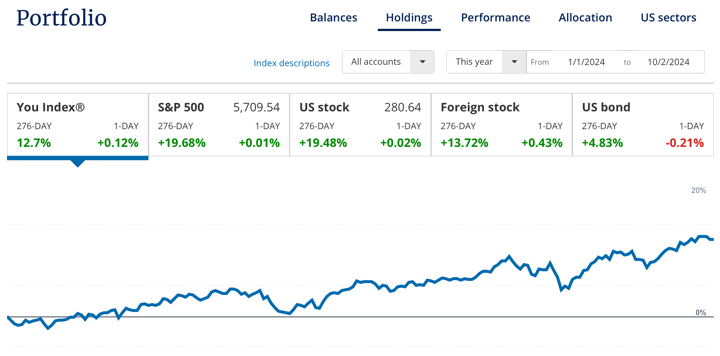
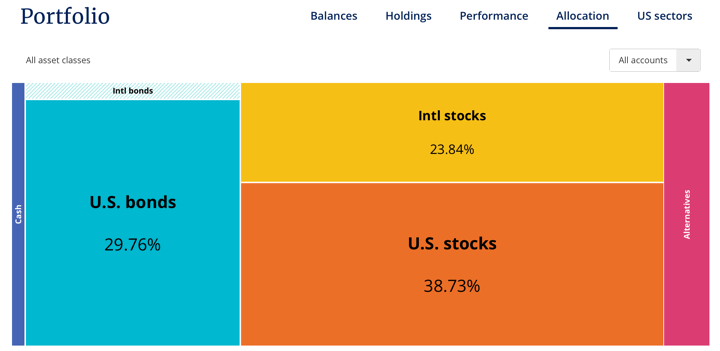
Here are updated performance and asset allocation charts, per the “Holdings” and “Allocation” tabs of my Empower Personal Dashboard.

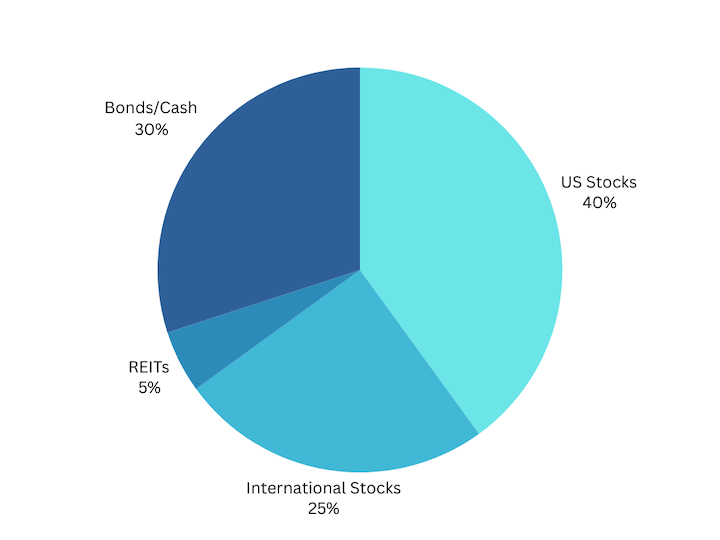
I own broad, low-cost exposure to productive assets that will provide long-term returns above inflation, distribute income via dividends and interest, and finally offer some historical tendencies to balance each other out. I have faith in the long-term benefit of owning businesses worldwide, as well as the stability of high-quality US Treasury debt. I let my stock holdings float with the total world market cap breakdown, currently at ~62% US and ~38% ex-US. I do add just a little “spice” to the broad funds with the inclusion of “small value” factor ETFs for US, Developed International, and Emerging Markets stocks as well as diversified real estate exposure through US REITs. But if you step back and look at the big picture, this is my simplified target portfolio:

By paying minimal costs including management fees, transaction spreads, and tax drag, I am trying to essentially guarantee myself above-average net performance over time.

The portfolio that you can hold onto through the tough times is the best one for you. Every asset class will eventually have a low period, and you must have strong faith during these periods to earn those historically high returns. You have to keep owning and buying more stocks through the stock market crashes. You have to maintain and even buy more rental properties during a housing crunch, etc. A good sign is that if prices drop, you’ll want to buy more of that asset instead of less. I don’t have strong faith in the long-term results of commodities, gold, or bitcoin – so I don’t own them.

I do not spend a lot of time backtesting various model portfolios, as I don’t think picking through the details of the recent past will necessarily create superior future returns. You’ll usually find that whatever model portfolio is popular at the moment just happens to hold the asset class that has been the hottest recently as well.

I have settled into a long-term target ratio of roughly 70% stocks and 30% bonds within our investment strategy of buy, hold, and occasionally rebalance. My goal has evolved to more of a “perpetual income portfolio” as opposed to a “build up a big stash and hope it lasts until I die” portfolio. My target withdrawal rate is 3% or less. Here is a round-number breakdown of my target asset allocation along with my primary ETF holding for each asset class.

  • 35% US Total Market (VTI)
  • 5% US Small-Cap Value (VBR/AVUV)
  • 20% International Total Market (VXUS)
  • 5% International Small-Cap Value (AVDV)
  • 5% US Real Estate (REIT) (VNQ)
  • 15% US “Regular” Treasury Bonds or FDIC-insured deposits
  • 15% US Treasury Inflation-Protected Bonds (or I Savings Bonds)

Performance details. According to Empower, my portfolio is up about 12.7% so far in 2024. The S&P 500 is up about 19.5% YTD, while the US Bond index is up around 4.8%. I hold bonds and international stocks so that I’m always going to be lagging the hottest sector, but I really can’t complain. International stocks actually had a really good Q3, even though nobody seemed to notice.

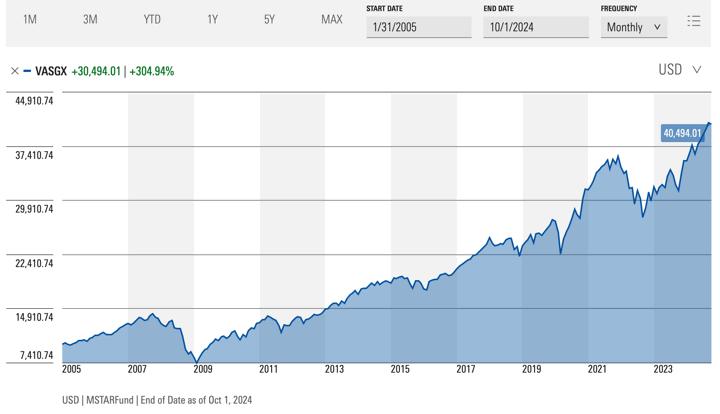
I didn’t make any significant buys, just some 401k contributions and reinvested dividends/interest. Peeled off some to pay quarterly taxes. No sell transactions. Owning stocks continues to reward long-term investors. Out of curiosity, I generated a Morningstar Growth of $10,000 Chart for the Vanguard LifeStrategy Growth Fund (VASGX) which holds a static 80% stocks and 20% bonds and most closed mimics my portfolio since 2005, roughly when I started investing more seriously and started this blog. A *very* rough approximation is to expect your money to double every decade (Rule of 72). The money that I invested 20 years ago has indeed roughly doubled twice (4X).

I’ll share about more about the income aspect in a separate post.

Vanguard Digital Advisor: Estimating the Benefit of Tax-Loss Harvesting

One of the features of Vanguard’s Digital Advisor Services (VDAS) that is hardest to replicate on your own is the automated tax-loss harvesting (TLH). VDAS will monitor the prices of each of your stock ETFs daily, sell some or all of them at a loss when they deem appropriate, purchase a surrogate replacement ETF at the same time to avoid IRS wash rules, and keep track of what could be hundreds of different tax lots on an ongoing basis. A DIY investor could perform a similar version of this, but it would definitely be higher on the continuum of effort and skill required.

Therefore, a potential customer might want to estimate the benefit from TLH, and compare that with the VDAS fee of ~0.15% annually. It is possible that the TLH feature could completely offset the cost of the entire service. I dug around and found the following resources that explain everything from the general background behind TLH to how VDAS implements them specifically.

I especially appreciate the intellectual honesty of the research whitepapers because it is one of the few articles from a robo-advisor that actually admits that TLH can actually lower your after-tax return if your personal situation is not ideal. Most other robo-advisors quote some pretty idealistic assumptions to get their numbers. Here’s a quote:

In recent years, tax-loss harvesting (TLH) has been aggressively advertised as a near-certain way to increase after-tax returns by anywhere from 100 basis points to 200 basis points—in some cases even 300!—annually. […] But many individual investors do not fit this mold or should first focus on other more valuable options such as investing in tax-advantaged accounts. These investors will eventually be disappointed with the size of their TLH benefit if they set their expectation at 100 to 200 basis points.

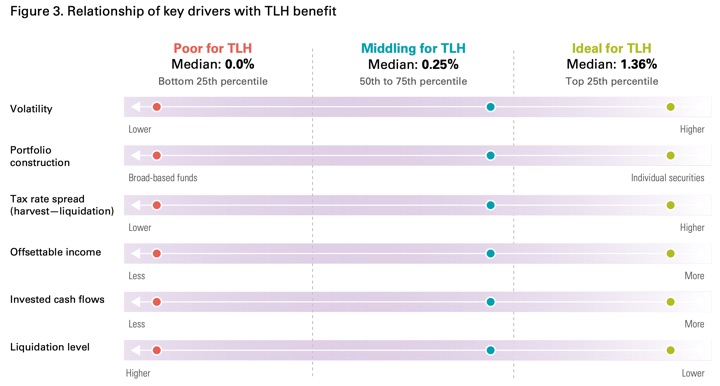
Here are the many factors that will affect the actual benefit from tax-loss harvesting, along with a brief description and how VDAS handles it.

  • Future stock price volatility. You need losses to harvest them, and the bigger the losses, the bigger the harvest. You then need the stock price to bounce right back, preferably quickly after you harvest them. Stable and steadily-growing markets aren’t helpful in creating TLH alpha.
  • How often will you keep making new investments. If you have frequent regular investments of new cashflows, this creates more tax lots where a loss could result, and then harvested.
  • Future time horizon. Markets tend to go up over time. As time goes on, the benefit of TLH will decrease because there will be fewer losses left to harvest.
  • How often will they check for losses. Monitoring the situation daily should help find more opportunities to harvest losses. Vanguard Digital Advisor states they will check daily.
  • Number of different portfolio securities held. The more different things you can sell to create losses, the more TLH opportunities there are. Expect “direct indexing”, where you own a tiny bit of every stock instead of a pooled ETF, to be marketed more and more heavily in the future. Vanguard Digital Advisor holds ETFs, not individual securities.
  • Do you have external capital gains to offset losses? Tax savings are generated by using harvested losses to offset capital gains elsewhere. Without capital gains, taxable ordinary income can only be reduced by up to $3,000 a year. Therefore, people with small businesses, private equity, real estate, or other investments that generate a lot of capital gains are more likely to benefit from harvesting losses.
  • Your current and future tax brackets. Tax savings are generated now by offsetting capital gains and income at your current tax rate. However, you are lowering your cost basis and thus deferring those capital gains to the future. If your future tax bracket is higher, then you may actually end up paying more in taxes later. Note your future tax bracket may be higher due to legislation, not only due to income changes. Others expect to defer “indefinitely” and use the step-up in basis upon death or make a qualifying charitable donation.
  • Reinvesting tax savings. A significant part of the theoretical TLH benefit comes from investing any tax savings so that you are taking advantage of those deferred taxes and growing them further.
  • Future stock market return. This effect from the compounding of reinvested tax savings depends on the size of the market return, obviously.

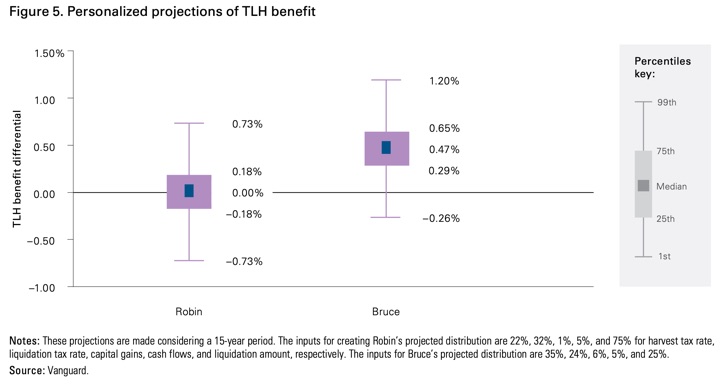
As you can see, many of these factors depend on your personal situation. Vanguard introduces two imaginary model investors to explain the potential differences. This is my own abbreviated summary.

Robin is a doctor in her early 30s. She is currently in the 22% income tax bracket. But after she finishes her residency in two years, she expects to spend most of her career in the 32% bracket or higher. She mostly saves in tax-deferred accounts, so she doesn’t expect to generate significant capital gains. Due to fact that her future tax rate is higher than now, and her low expectations for capital gains, her likely benefit is low, possibly zero or even negative.

Bruce is in his late 50s and a partner at a large consulting firm that regularly realizes capital gains when new partners buy into the partnership and when he eventually sells all his shares for ~$4 million. Essentially, unlimited capital gains to offset losses. He is currently in the 35% bracket, but, based on his plans for a frugal retirement lifestyle, he aims to be in the 24% income tax bracket throughout retirement. Due to the fact that he expects his future tax rate to be lower than now, and his high expectations for capital gains, his likely benefit is high, with a median projected benefit of 0.47% annually.

These appear to be reasonable estimates for the real-world benefit of TLH at two relatively extreme examples. I think most people will be somewhere in between. So a median expectation of 0% to 0.50%, but just as important, a wide possible range of actual results! Many other robo-advisor presentations do not adequately disclose their assumptions, including the possibility of negative “alpha” if your tax rates end up being higher in retirement. (Many people feel that higher tax rates will eventually be coming due after years of deficits.)

I hope that this information will allow a potential VDAS/VPAS customer to manage their own expectations of the benefits of TLH, based on their own individual factors – most importantly, having sizable new investments that may result in temporary losses, the expectation of lower tax rates in the retirement/withdrawal phase, and having enough capital gains from other activities to offset any harvested losses.

Vanguard Digital Advisor Robo-Advisor Review (Updated September 2024)

(Updated September 2024. If you’re wondering about the future of Vanguard, take note that they have been actively tinkering with their robo-advisor service, Vanguard Digital Advisor Services (VDAS). In June 2024, VDAS added the ability to include a spouse/partner in your plan, such that the portfolio is managed on a household level. In August 2024, VDAS started using fractional shares to invest every last dollar. In September 2024, they lowered the minimum requirement to $100 (formerly $3,000). I decided to wade through the 119-page Client Relationship Summary and VDAS/VPAS Brochure & Supplement again for the third time and completely re-write this review.)

Here are my notes on the robo-advisor service Vanguard Digital Advisor, current as of September 2024:

What is Vanguard Digital Advisor Here’s what they say:

In our robo discretionary offers we provide online financial planning tools designed to help you create a goal-based financial plan, and the service will create an investment strategy aligned with your personal inputs. We’ll monitor your enrolled accounts frequently using an algorithm. We’ll have full investment discretion in order to transact as necessary to align your account(s) with your goal(s).

My interpretation is that they will manage a portfolio of Vanguard ETFs for you based on your inputs into their website. There is also online software to help you create a financial plan towards multiple goals (i.e. they tell you how much you need to save each month). With VDAS, you don’t get access to a human advisor.

Types of Vanguard accounts available to be managed. VDAS can manage Vanguard 401(k) and the following retail accounts held at Vanguard Brokerage, (although you may need to sell your existing investments). They will consider all of the accounts together for purposes of tax-efficient asset location.

  • Individual or joint tenants with rights of survivorship (JTWROS) taxable accounts.
  • Traditional IRAs.
  • Roth IRAs.
  • Rollover IRAs.
  • Inherited IRAs owned by natural, adult investors.
  • Single-participant SEP-IRAs.

Their wording suggests that Vanguard will let you link other ineligible Vanguard account and external non-Vanguard account balances and include them into your long-term goal projections, but they won’t analyze their asset allocation and adjust your Vanguard asset allocation in response.

Existing outside portfolio? You will likely need to sell your existing investments if you want them to manage that money. VDAS wants a clean slate. They say they will analyze your existing holdings, including how much capital gains you have built up, and either recommend that you don’t sell them (but not enroll in VDAS), or sell them and enroll in VDAS where they will re-invest your funds for you.

Factors used to personalize your portfolio. The #1 competition for this product is probably Vanguard’s own series of Target Retirement Funds. Those are based on a goal retirement year, in 5 years increments, and now only cost 0.08% all-in for younger investors. So if you’re 25 years old, you basically have maybe 4-6 possible glide paths available.

In contrast, VDAS says they have “over 300 personalized glide paths” available. Here are the factors that they consider, based on their documentation:

  • Taxable income/salary
  • Anticipated spending needs
  • Current savings/savings rate
  • Risk attitude (Very Conservative, Conservative, Moderate, Aggressive and Very Aggressive)
  • Current age
  • Marital/partner status
  • Expected retirement age
  • Significant single-stock exposure

To be honest, I’m not sure how many users will end up with a vastly different glide path than one of the Target Retirement funds, especially considering they will most likely be constructed with the same four underlying ETFs that underpin them (more on that later). But if you have a unique situation, this personalization could be attractive.

Now available in 100% index, index/active mix, and ESG flavors. In addition to the original all-index portfolio, you can now also chose a (slightly more expensive) option that includes some actively-managed Vanguard funds or an all-index portfolio that has an environmental, social, and governance (“ESG”) filter.

But for most people picking the traditional 100% index option, your portfolio will consist of the “Four Totals”:

  • Vanguard Total Stock Market ETF (VTI)
  • Vanguard Total International Stock Market ETF (VXUS)
  • Vanguard Total Bond Market ETF (BND)
  • Vanguard Total International Bond ETF (BNDX)

As noted, these ETFs are simply different share classes of the exact same funds that underpin the Vanguard Target Retirement Funds.

Pricing and fees. How much does VDAS cost? VDAS has an all-in cost of 0.20% of assets managed annually for their all-index option, but that includes the cost of underlying ETFs. (I’m focusing on the all-index option here, there is a 0.25% all-in cost on their active/index mix option.) Your portfolio of ETFs will probably have their own expense ratio of ~0.05%, so the cost of VDAS itself will effectively be ~0.15%. That works out to $15 a year for every $10,000 invested.

In comparison, Vanguard Target Retirement Funds as of September 2024 have average expense ratios of only 0.08% all-in. The Vanguard Target Retirement Funds got a lot cheaper when finally switched to holidng Institutional shares of their underlying component funds instead of the most-expensive Investor shares. I thought that the gap between the costs would only narrow over time, but they kept the cost of VDAS the same for a gap of 0.12%.

As DIY person, I would remind folks that you can always buy the exact same four ETF building blocks at any low-cost broker (including Vanguard itself). That would make your all-in cost just the ~0.05%. However, DIY investors won’t have automatic rebalancing or automatic tax-loss harvesting.

If you have over $50,000 in assets, you can “upgrade” to Vanguard Personal Advisor Services (VPAS) where you can talk to humans for a higher all-in cost of 0.35% for the all-index option. However, I’m really not sure what actually VPAS has to offer beyond a human voice because they don’t appear to guarantee well-informed advice from a Certified Financial Planner or anything. Essentially, you seem to get some additional hand-holding from a rep who is familiar with the software.

If you have over $500,000 in assets, you can upgrade again to Personal Advisor Select, which does include a dedicated CFP. This costs a flat advisory fee of 0.30% annually (on top of the expense ratio from investments). This might actually be worth the upgrade for those that start with VDAS but over time their financial situation becomes more complicated.

Automated rebalancing: VDAS will check daily and rebalance within 5% bands. Rebalancing will be done in a tax-sensitive manner. Here’s the official text:

On each day that the markets are open for trading, we will typically look to assess Portfolios for whether a rebalancing opportunity exists consistent with our investment strategy and the following criteria (“Rebalance”). Under normal circumstances, if any asset class (stocks, bonds, or cash) is off the target asset allocation by more than 5%, the Portfolio will be rebalanced to its target allocations (asset and sub?asset) or, in the future, within allowable guardrails pending embedded tax cost.

I believe that automated rebalancing is an important and sometime under-appreciated benefit of a managed portfolio over a DIY portfolio. Us DIY folks all think we’ll rebalance the same way without emotion, but sometimes… in times of stress… we don’t. It’s hard to assess the benefit in terms of excess performance, because you are really adjusting risk and any “rebalancing bonus” tends to come and go depending on the historical period.

Automated tax loss harvesting (TLH). VDAS includes tax-loss harvesting on taxable brokerage accounts. This is the practice of selling equity ETFs at a loss to “harvest” them and replacing them with similar securities to maintain market exposure. If done correctly, this can improve your after-tax return. They will now consider the tax effects across an entire household (when filing joint tax returns). Here is their language:

The Services offer a tax loss harvesting service (“TLH Service”) election for taxable individual and joint brokerage accounts. TLH involves selling a security at a loss and purchasing another security to maintain your asset allocation. Depending on your personal circumstances, a TLH strategy can add value in the form of reduced taxes when harvested losses are used to lower your tax bill and potentially grow your savings if you are able to reinvest those tax savings. For Enhanced Households the TLH Service applies to all eligible Enrolled Accounts in the Portfolio.

From their other documents, Vanguard performs their TLH using only other Vanguard ETFs as the “surrogate” ETF pair to claim the loss but also avoid wash sale rules.

The actual benefit of tax-loss harvesting can vary widely based on individual factors. Most importantly, how much of your portfolio is actually in taxable accounts, and how much of that is stocks? Not to mention, TLH can actually lower your return in certain situations by deferring the tax bill to a future period when your tax rate is higher. This is complicated topic with no single answer. TLH could be a net positive, though, that helps offset the VDAS fee and maybe even then some.

Multiple goal support. VDAS now supports multiple goals in its software. For example, you might have a house downpayment as a short-term goal and retirement as a long-term goal.

Fractional shares of ETFs now included. This is a new feature that they basically had to add if since they wanted to lower the minimum balance to $100. Otherwise, there would be no point as VTI is over $250 for a single share.

My take. Vanguard is obviously focusing a good deal of their energy on Digital Advisor, and I think this is probably a smart move for them. The Vanguard ETFs themselves continue to be well-run and cheap, but I believe their “at-cost” structure has incentivized Vanguard to minimize customer service costs at their in-house brokerage and instead quietly push folks to hold Vanguard ETFs at outside brokers (it’s cheaper for them this way). However, Digital Advisor allows them to charge another layer of fees for management services, hopefully justifying and paying for better service for those customers. If they can keep improving this product technology while also lowering the price as it scales, I believe it can grow in popularity.